



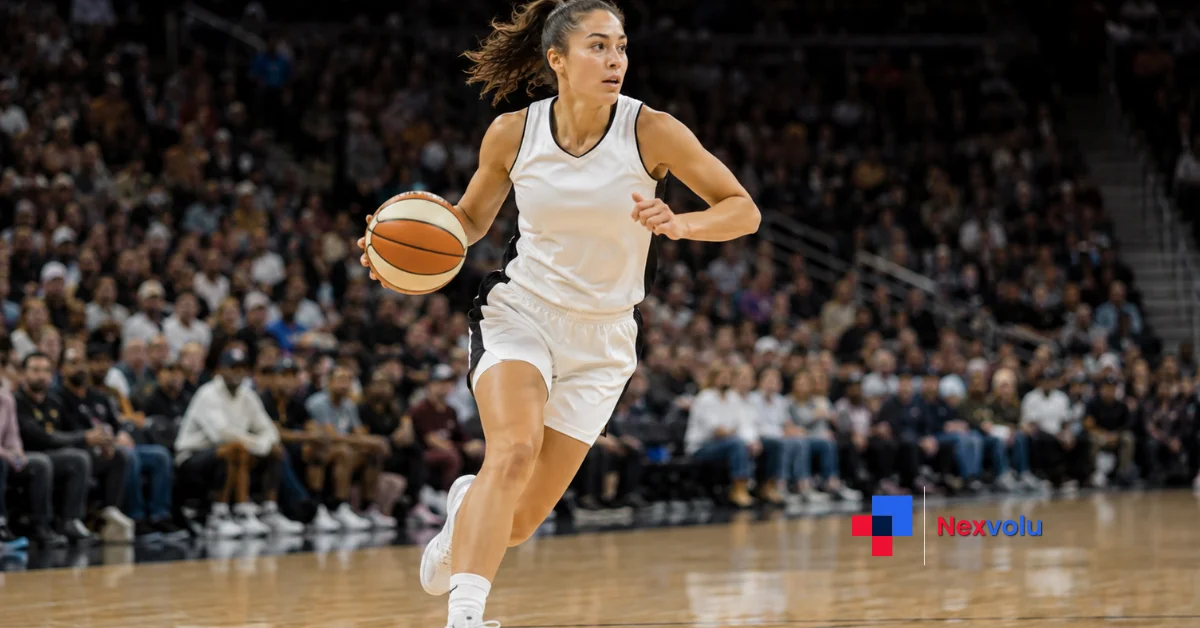
Caitlin Clark WNBA Officiating Debate The Facts
Caitlin Clark WNBA Officiating Debate: The Facts
The Caitlin Clark WNBA officiating debate has quickly become one of the loudest storylines of the 2026 season. Indeed, after a hard, uncalled play involving the Indiana Fever guard, social media filled with strong opinions within hours. However, this article steps back from the hot takes and sticks to what we can verify. Specifically, it explains what happened, what the WNBA rulebook says, how the league office ruled, and finally why officiating matters for a league that keeps growing.
What Happened in the Caitlin Clark WNBA Officiating Incident?
According to the WNBA league office, Phoenix Mercury forward Alyssa Thomas received a Flagrant 2 penalty and a one-game suspension. Specifically, the league cited reckless contact with her fist to the throat area of Indiana Fever guard Caitlin Clark. Notably, officials did not whistle the play live; instead, the league reviewed the game afterward and upgraded the foul, ruling it a non-basketball act.
The contact happened with 6:52 left in the second quarter of the Mercury’s 111-109 win at Gainbridge Fieldhouse. Because officials called nothing in real time, the moment instantly became a flashpoint. On one hand, some argued Clark lacks adequate protection; on the other hand, others felt the foul, while reckless, was not intentional. Ultimately, the league’s review on June 25 gave the play its first official resolution.
WNBA Officiating Rules Behind the Caitlin Clark Debate
To understand the ruling, you first need to know how the WNBA classifies hard fouls. Essentially, the rulebook splits flagrant fouls into two tiers:
- Flagrant 1 – unnecessary contact. In this case, the fouled team gets free throws and possession, yet officials do not automatically eject the offending player.
- Flagrant 2 – unnecessary and excessive contact. Here, the same free-throw and possession penalty applies; in addition, the player draws an automatic ejection.
Meanwhile, technical fouls cover unsportsmanlike conduct, arguing with officials, and similar acts. Moreover, both technicals and flagrant points add up across the season, so crossing a threshold triggers an automatic suspension. Importantly, the difference between a Flagrant 1 and a Flagrant 2 is not intent alone; rather, it depends on whether officials judge the contact excessive. Therefore, that single judgment explains why the league labeled the Clark-Thomas contact a Flagrant 2 on review.
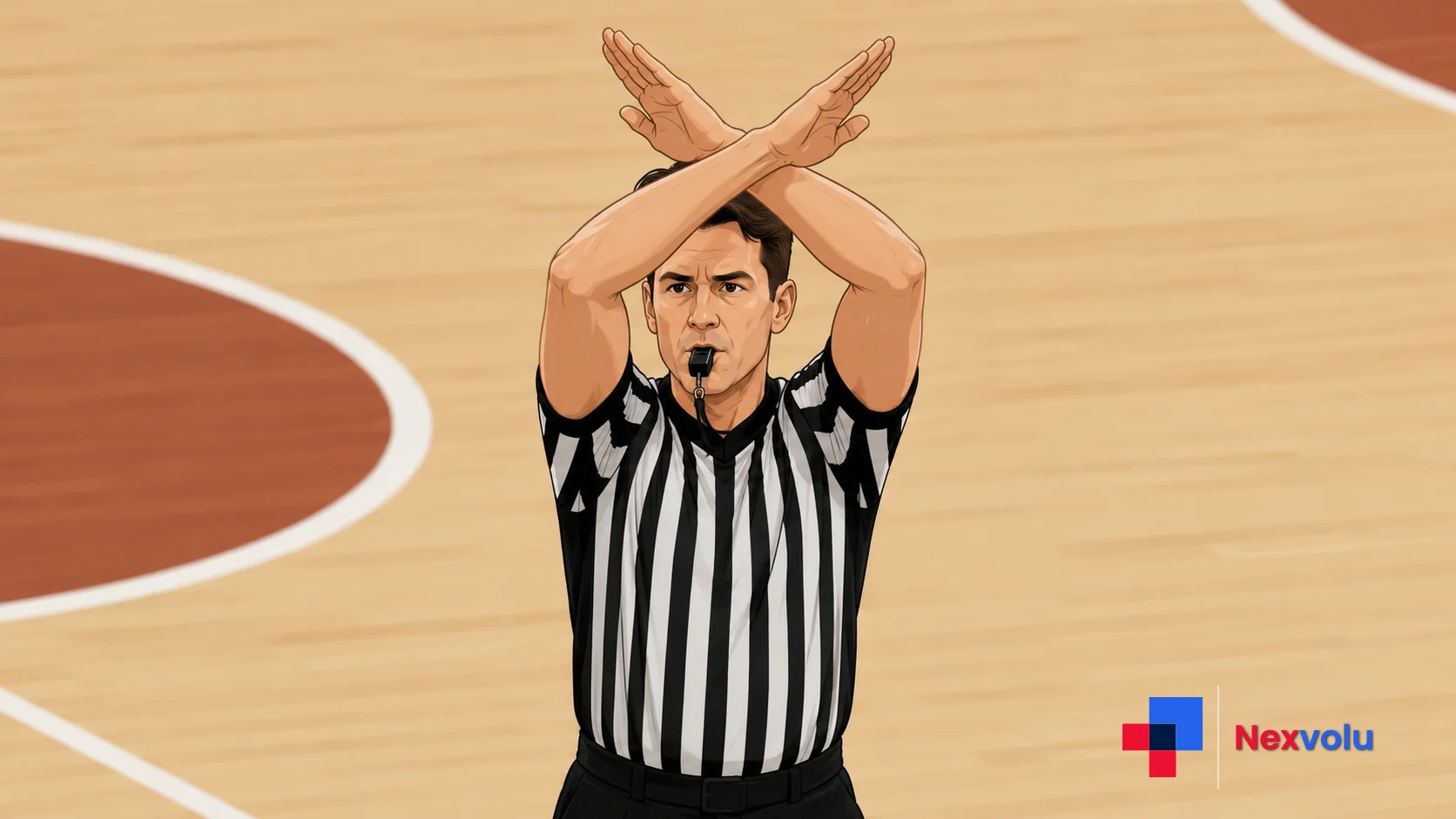
What the WNBA League Office Ruled
In this case, the league’s decisions stayed specific and limited:
- First, the WNBA suspended Alyssa Thomas one game and fined her $1,000. Because the league called the contact a non-basketball act, it assessed a Flagrant 2 on postgame review. As a result, Thomas sat out on June 27 when the Mercury visited the Toronto Tempo.
- Second, the WNBA did not rescind Caitlin Clark’s technical foul. Instead, the league upheld a separate technical from a Monday game against Phoenix, after a clapping exchange with DeWanna Bonner that officials deemed “instigating” even after the Fever’s appeal. Consequently, Clark stays at five technicals, and eight would trigger an automatic suspension.
Still, it helps to note what the league did not do. For one, it did not publicly discipline the on-court officials. In addition, it did not overturn the game’s result. After all, a postgame review can reclassify a foul and add discipline, but it never replays a completed game.
Caitlin Clark and the 2026 WNBA Officiating Rule Changes
Meanwhile, the debate lands just as the WNBA rolls out a tougher discipline structure for 2026. In fact, penalties now climb up to 2.5x year over year:
| Infraction | 2025 | 2026 |
|---|---|---|
| Technical fouls 1-3 | $200 each | $500 each |
| Technical fouls 4-7 | $400 each | $1,000 each (warning after 5th) |
| Technical foul 8 | – | $1,500 + one-game suspension |
| Flagrant 1 | $200 | $500 |
| Flagrant 2 | $400 | $1,000 |
| Flopping | – | Warning, then escalating fines |
As the table shows, the league suspends a player once they reach eight technical fouls, and then it adds another suspension for every other technical after that. Notably, these changes apply league-wide and target no single player. Above all, they push referees toward consistent enforcement; in addition, they discourage both excessive contact and theatrical attempts to draw calls.
Why Caitlin Clark Shows WNBA Officiating Drives League Growth
Officiating consistency is not only a competitive issue; rather, it is also a business one. Indeed, the league keeps expanding fast, and scrutiny on referees grows right along with the audience:
- For example, the 2025 regular season became the most-watched in WNBA history on ESPN networks, averaging about 1.3 million viewers across 25 games up roughly 6% year over year.
- In addition, the expansion Golden State Valkyries set an all-time WNBA attendance record, drawing 397,408 fans (an 18,064 average) while selling out all 22 home games in their inaugural 2025 season.
- Finally, 2026 marks the league’s 30th season, as new franchises broaden the map.
Because more eyes now follow the product, every call and every non-call reaches a far larger audience and shapes perception more than ever. Therefore, clear and consistent rules protect stars like Clark, give teams predictability, and reassure new fans that officials call the game fairly. In short, the officiating debate is really a byproduct of success: as stakes rise, scrutiny rises with them.
Must Read: Sports
Frequently Asked Questions About WNBA Officiating
What happened between Caitlin Clark and Alyssa Thomas?
Basically, Thomas pressed her fist to Clark’s throat area with 6:52 left in the second quarter, and officials called no foul live. However, on postgame review, the WNBA classified the play as a Flagrant 2 non-basketball act and then suspended Thomas one game.
Did the WNBA eject Alyssa Thomas during the game?
No. In real time, the play stayed a no-call. Instead, the league office applied the Flagrant 2 penalty, the $1,000 fine, and the one-game suspension only after a postgame review.
Did the WNBA rescind Caitlin Clark’s technical foul?
No. Although the Fever appealed, the league upheld the technical, so Clark stays at five for the season. Remember, the WNBA automatically suspends a player at eight technical fouls.
What is the difference between a Flagrant 1 and a Flagrant 2?
Simply put, a Flagrant 1 means unnecessary contact. By contrast, a Flagrant 2 means unnecessary and excessive contact, and it also carries an automatic ejection.
Do the 2026 WNBA fine increases target specific players?
No. The higher technical and flagrant fines apply league-wide. Moreover, they form part of a broader 2026 discipline overhaul, rather than a response to any single player.
Conclusion: The Caitlin Clark WNBA Officiating Facts
Once you strip away the emotion, the Caitlin Clark WNBA officiating debate comes down to a few verifiable facts. First, the league reviewed a hard, uncalled play. Then it assessed a Flagrant 2 and a one-game suspension to Alyssa Thomas. Meanwhile, it upheld Clark’s technical on appeal. Ultimately, all of this unfolded against stricter 2026 rules and record-breaking growth. Of course, reasonable people will keep disagreeing about how officials should call the game. Even so, knowing what the rules actually say and what the league actually ruled remains the best starting point for any honest conversation about WNBA officiating.
References
- WNBA. “Alyssa Thomas Receives Flagrant Foul 2 Penalty and a One-Game Suspension.” 2026. wnba.com
- The Athletic / NYT. “Mercury’s Alyssa Thomas suspended 1 game for incident with Caitlin Clark.” 2026. nytimes.com
- IndyStar. “WNBA upholds Caitlin Clark’s fifth technical foul after Fever appeal.” 2026. indystar.com
- Just Women’s Sports. “WNBA Raises Flagrant Foul Penalties and Technical Foul Fines for 2026.” 2026. justwomenssports.com
- ESPN Press Room. “ESPN Networks Deliver Most-Watched WNBA Regular Season Ever.” 2025. espnpressroom.com
- Golden State Valkyries. “Valkyries Set All-Time WNBA Attendance Record.” 2025. valkyries.wnba.com