







2026 World Cup Final: Result, Score & What It Means
Spain vs Argentina: Who Won the 2026 World Cup Final?
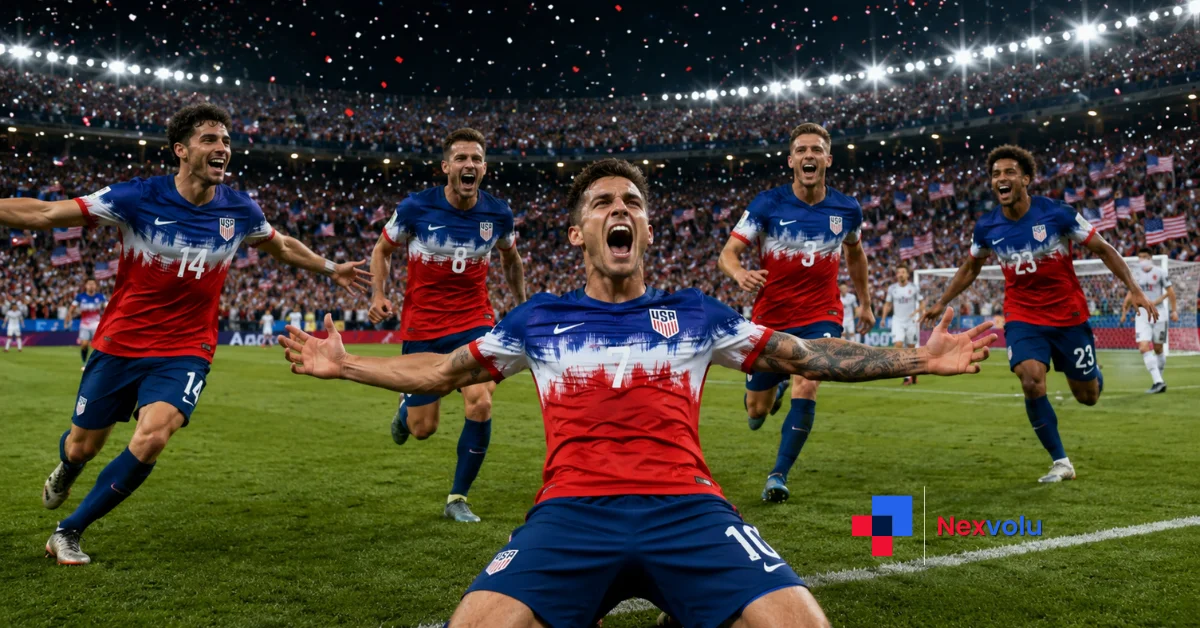
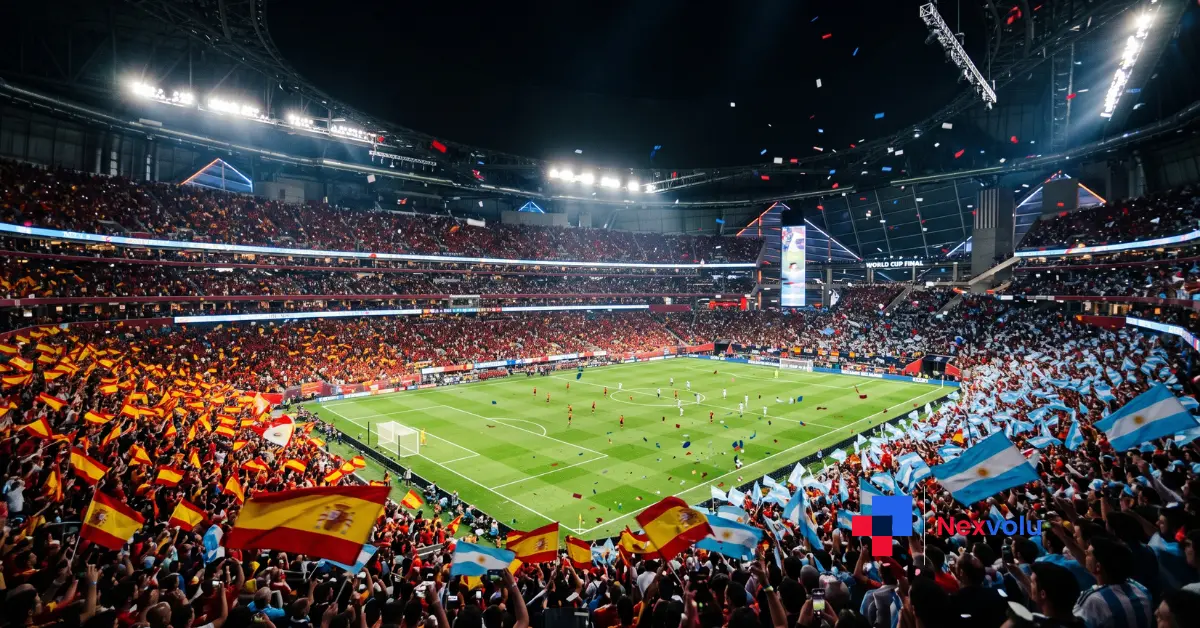
For one Sunday in July, the biggest stage in world soccer belonged to New Jersey. The 2026 World Cup final put Spain against Argentina at New York/New Jersey Stadium a defending champion chasing history against a European side that barely put a foot wrong all tournament. Here’s who won, where it happened, and the part most recaps skip: what the result actually changes for American fans, the sport’s U.S. growth, and the money behind the whole show.
Table of contents
- Who won the 2026 World Cup?
- The final result: how Spain vs Argentina unfolded
- What the result means
- How a home World Cup reshaped U.S. soccer
- The money behind the tournament: the $40.9B question
- England’s run and what’s next for the Three Lions
- The road to 2030
- Nexvolu’s Verdict
- Frequently asked questions
Who won the 2026 World Cup?
Spain and Argentina meet in the 2026 World Cup final on Sunday, July 19 (3 p.m. ET) at New York/New Jersey Stadium. This page updates with the result the moment the whistle blows.”
The final result: how Spain vs Argentina unfolded
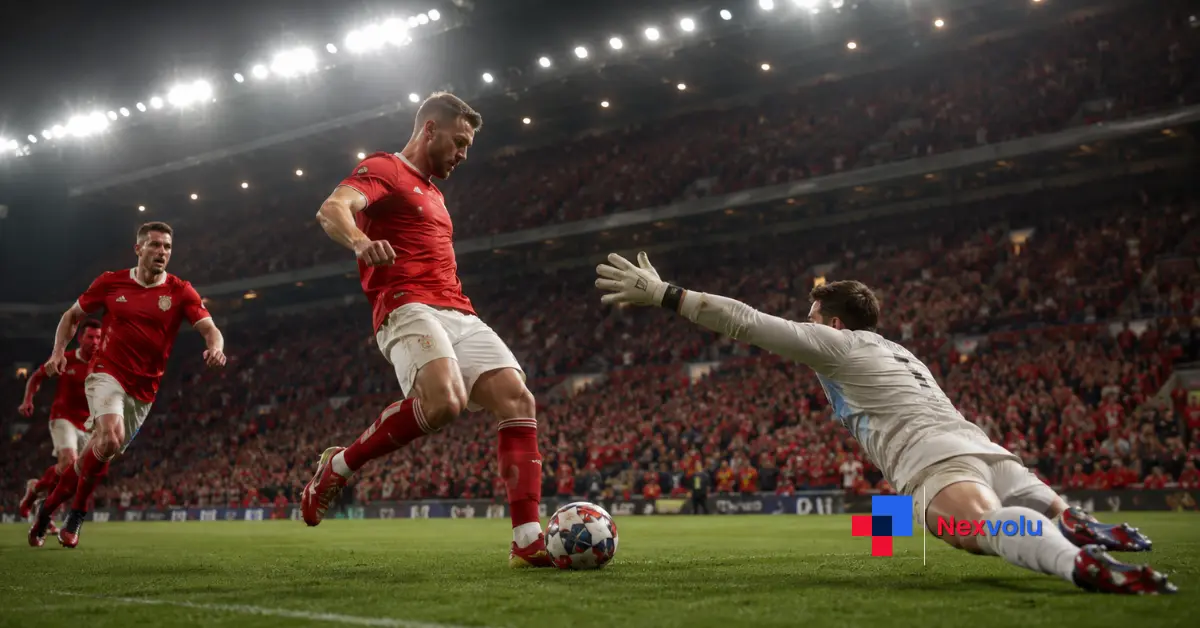
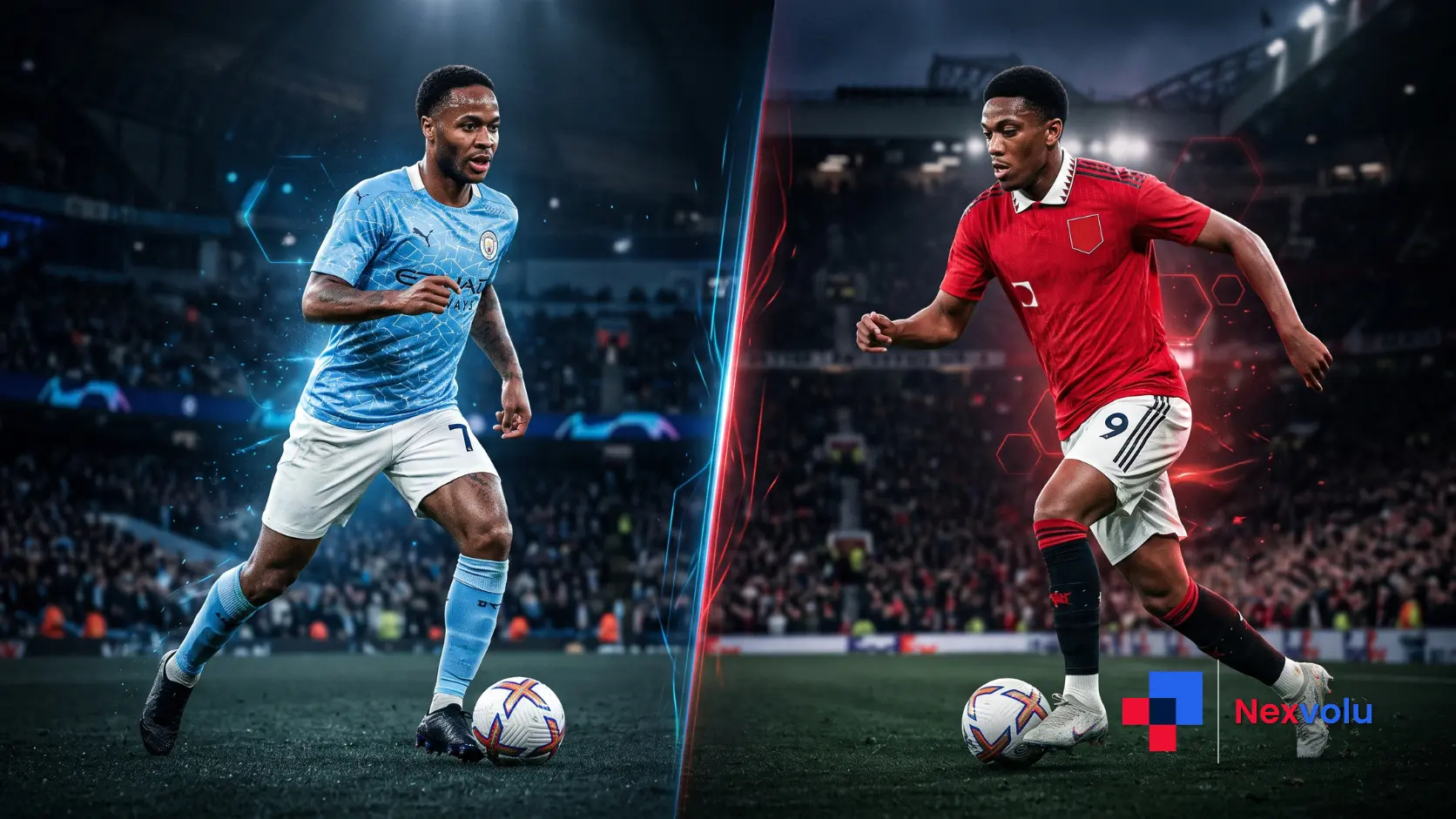
The matchup itself, though, was a study in contrasts. Indeed, Spain arrived as the tournament’s control team, averaging 64% possession and conceding only once across seven matches the meanest defense in the field, per FIFA’s Technical Study Group. Argentina arrived as the great survivors: Lionel Messi’s side scored in 16 straight games and netted at least twice in 13 successive matches, a World Cup record, then came from behind to beat England 2-1 in the semi-final. As a result, oddsmakers leaned narrowly to Spain (roughly -148 to lift the trophy), and Opta’s supercomputer gave Spain a 59.5% edge to Argentina’s 40.5%. The two nations had met only once before at a World Cup Argentina’s 2-1 win back in 1966.
What the result means
A World Cup final is never just three points. Certainly, for the winner, it reshapes a legacy overnight. If Argentina retained the trophy, it stamped Messi’s era as the most decorated in the sport’s modern history and gave the Albiceleste [[FILL: title count]] stars. If Spain won, it crowned a golden generation led by teenage star Lamine Yamal and midfield anchor Rodri and handed a 2030 co-host the trophy heading into its own tournament. [[FILL: winner-dependent line pick the one that matches the result and delete the other.]]
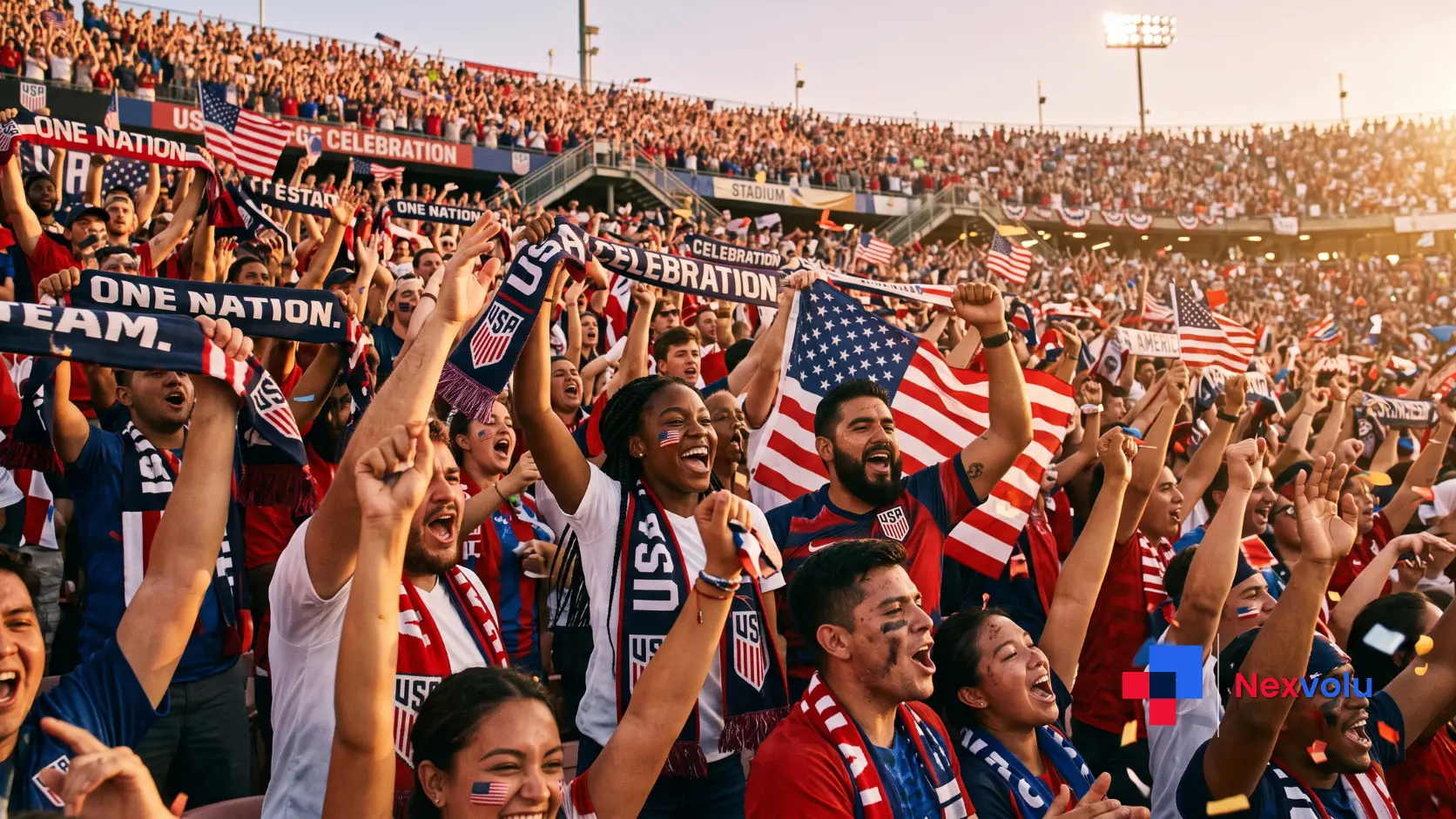
Beyond the trophy, the bigger story sits off the pitch. After all, this was the first 48-team World Cup and the first hosted by three countries, and it landed on U.S. soil at the exact moment American interest in the sport was already climbing. The final is the punctuation mark on a month that changed the sport’s footing in its largest untapped market.
How a home World Cup reshaped U.S. soccer
The numbers moved fast. Significantly, nearly half of Americans (49%) identified as pro soccer fans in June, up from 44% over the prior year a jump of about 15 million people, according to SSRS survey data. The Harris Poll found 45% of Americans say their interest in the sport is rising, and 70% of existing fans said they were more excited specifically because the tournament came to North America.
The domestic game rode the wave, too. Major League Soccer now 30 clubs, up from fewer than 10 at its founding reported viewership up 62% year over year in 2026, averaging 7.9 million live-match viewers a week across platforms. Meanwhile, on the broadcast side, Fox averaged 5 million viewers across 72 group-stage matches, a network record, with Telemundo close behind at 4.6 million.
Here’s the snapshot most match recaps leave out:
| U.S. soccer signal | 2026 reading | Source |
|---|---|---|
| Americans who are pro-soccer fans | 49% (up from 44%), ~+15M | SSRS, June 2026 |
| Say their interest is increasing | 45% | The Harris Poll |
| MLS weekly viewership | 7.9M/week, +62% YoY | MLS |
| Fox group-stage average | 5M/match (network record) | NPR / Fox |
| MLS clubs today | 30 | MLS |
The open question is retention. Of course, a month of national-team fever is one thing; converting curious viewers into season-ticket holders and weekly MLS watchers is the harder, slower game and the real test of this World Cup’s U.S. legacy.
The money behind the tournament: the $40.9B question
You’ve probably seen the headline figure: up to $40.9 billion in additional global GDP and roughly 824,000 jobs, a projection from FIFA and partner consultancies, with as much as $620 million flowing to U.S. host cities. Undeniably, it’s a big, quotable number. It’s also hotly disputed.
However, independent economists have long argued these studies overstate benefits and understate public costs. “Many economic impact studies are structured in ways that predictably produce large numbers,” Michael Edwards, a sport-finance professor at North Carolina State University, told researchers reviewing the 2026 projections. In fact, history backs the skepticism: economists Robert Baade and Victor Matheson estimated the 1994 U.S. World Cup came in $5.5-9.3 billion short of its projections.
By contrast, the cooler estimates tell a quieter story. Natixis CIB pegged the U.S. GDP bump at around 0.05%; Saxo Bank put the U.S. figure near $17 billion, still under 0.1% of the economy. And Forbes reported in July that international visitor numbers didn’t actually rise in June undercutting the tourism math the biggest projections lean on. The clearest winner? FIFA itself, on track for roughly $9 billion in revenue.
| The claim | The reality check |
|---|---|
| Up to $40.9B global GDP + 824k jobs | Headline projection from FIFA/consultancies |
| ~$620M for U.S. host cities | Optimistic; excludes much of the public hosting cost |
| A tourism-driven boom | June international visitors didn’t rise (Forbes) |
| A U.S. economic windfall | ~0.05% of GDP (Natixis); local, not national |
Still, none of this makes the tournament a failure. Rather, it simply means the value showed up as national passion and long-term interest, not the macro jackpot the biggest numbers promised.
England’s run and what’s next for the Three Lions
For UK readers, meanwhile, the tournament ended on a bittersweet high. England lost a gut-punch semi-final 2-1 to Argentina in Atlanta, then beat France 6-4 in a wild third-place playoff in Miami to finish third their best World Cup showing in decades. Thomas Tuchel’s side leaves with pride and a young spine: Jude Bellingham, Bukayo Saka and Declan Rice are all still on the rise, with Harry Kane leading the line.
The path forward is clear enough. Ultimately, a third-place finish is real progress after two European Championship final defeats, and the core is young enough to peak by the next cycle. The 60-year wait for a major trophy goes on but for the first time in a while, the trajectory points up rather than sideways.
The road to 2030
This final also sets the table for what’s next. The 2030 World Cup will be co-hosted by Morocco, Portugal and Spain, with three centenary matches staged in South America Uruguay, Argentina and Paraguay marking 100 years since the first tournament in 1930. FIFA has even floated expanding that edition to 64 teams. After that, Saudi Arabia hosts in 2034, and the U.S. returns for the 2031 Women’s World Cup.
Notably, the symmetry is hard to miss: whichever nation lifted the trophy in New Jersey, both finalists are tied to 2030’s story Spain as a host, Argentina as a centenary venue. Overall, the 2026 final closed one chapter and quietly opened the next.
Nexvolu’s Verdict
The verdict: The 2026 World Cup final capped the most-watched, most-commercially-successful tournament in U.S. soccer history even if the economic windfall proved smaller than the headlines promised.
Best for: fans who want the result plus the context. Skip it if: you only came for a minute-by-minute match report.
Pros: record-breaking U.S. engagement · a genuine heavyweight final (control vs. survival) · a built-in 2030 storyline.
Cons: the marquee economic claims don’t survive scrutiny · the international-visitor bump largely didn’t materialize.
Standout: the gap between the $40.9B projection and independent economists’ ~0.05% GDP estimate the number everyone quotes versus the number that holds up.
Nexvolu Editorial Score: 9/10 – a near-perfect sporting spectacle and a real inflection point for the sport in America; the economics get the asterisk.
Frequently asked questions
Who won the 2026 World Cup final?
[[FILL: WINNER]] won the 2026 World Cup final, beating [[FILL: RUNNER-UP]] [[FILL: SCORE]] on July 19, 2026 at New York/New Jersey Stadium in East Rutherford, New Jersey. It was the nation’s [[FILL: Nth]] world title. The match [[FILL: was decided in normal time / went to extra time / was settled on penalties]], watched live by a crowd of more than 80,000 and a record U.S. television audience. Full match detail and scorers are in the recap above.
Where was the 2026 World Cup final played?
The 2026 World Cup final was played at New York/New Jersey Stadium known outside the tournament as MetLife Stadium in East Rutherford, New Jersey, with kickoff at 3 p.m. ET on Sunday, July 19, 2026. The venue holds more than 80,000 fans. Altogether, it was one of 16 host stadiums across the United States, Canada and Mexico, the first World Cup ever shared by three countries and the first with 48 teams.
How many World Cup titles does the winner have now?
[[FILL: WINNER]] now has [[FILL: Nth]] World Cup titles. Previously, Argentina entered the final with three (1978, 1986, 2022) and were chasing a fourth, plus a second in a row. Conversely, Spain entered with one (2010) and were chasing their second. Whichever side won, the result reshaped the all-time hierarchy and, in Argentina’s case, would have cemented the most decorated run of Lionel Messi’s career across four World Cup campaigns.
Did the 2026 World Cup actually boost the U.S. economy?
Only modestly, despite big headlines. Projections cited up to $40.9 billion in global GDP, but independent economists estimate the U.S. impact at roughly 0.05% of GDP real, but local rather than national. Similarly, studies of past tournaments, including USA 1994, repeatedly fell short of projections. Instead, the clearer beneficiary is FIFA, on track for about $9 billion in revenue. In short: the lasting value is fan interest and infrastructure, not a macroeconomic windfall.
How did England do at the 2026 World Cup?
In the end, England finished third their strongest World Cup result in decades. Thomas Tuchel’s side lost a late 2-1 semi-final to Argentina in Atlanta, then beat France 6-4 in the third-place playoff in Miami. With a young core of Jude Bellingham, Bukayo Saka and Declan Rice around Harry Kane, the Three Lions leave encouraged, even as their 60-year wait for a major trophy continues into the next cycle.
Where is the next World Cup after 2026?
The 2030 World Cup will be co-hosted by Morocco, Portugal and Spain, with three centenary matches in Uruguay, Argentina and Paraguay to mark 100 years since 1930. FIFA has discussed expanding it to 64 teams. Subsequently, Saudi Arabia will host the 2034 men’s World Cup, and the United States is set to host the 2031 Women’s World Cup keeping soccer’s biggest events on North American radar for years.
Conclusion
Strip away the confetti and three things stand out. First, the 2026 World Cup final gave the sport a genuine heavyweight ending on American soil. Second, it landed at the exact moment U.S. interest was already surging, which is the legacy that will actually last. Finally, the money story turned out smaller and more complicated than the billboards claimed. Whoever lifted the trophy, the tournament’s real win was pulling millions of new fans into the game now the job is keeping them. Did the home World Cup make you a bigger soccer fan, or will the buzz fade by fall? Tell us in the comments.
References
- FIFA — 2026 World Cup Final preview
- FIFA — Spain v Argentina in stats
- ESPN — World Cup final: Argentina vs. Spain, what you need to know
- Al Jazeera — Opta supercomputer final prediction
- NC State — The Economics of the FIFA World Cup: Who Really Profits?
- Saxo Bank — 2026 World Cup: a macro event with micro-level impacts
- Forbes — FIFA, not the U.S. economy, is the big World Cup winner so far
- MLS — Viewership up more than 62% in 2026
- SSRS — Pro soccer gains 15 million American fans in June
- The Harris Poll — America’s rise in soccer fandom
- FIFA — Hosts appointed for 2030 and 2034 World Cups