
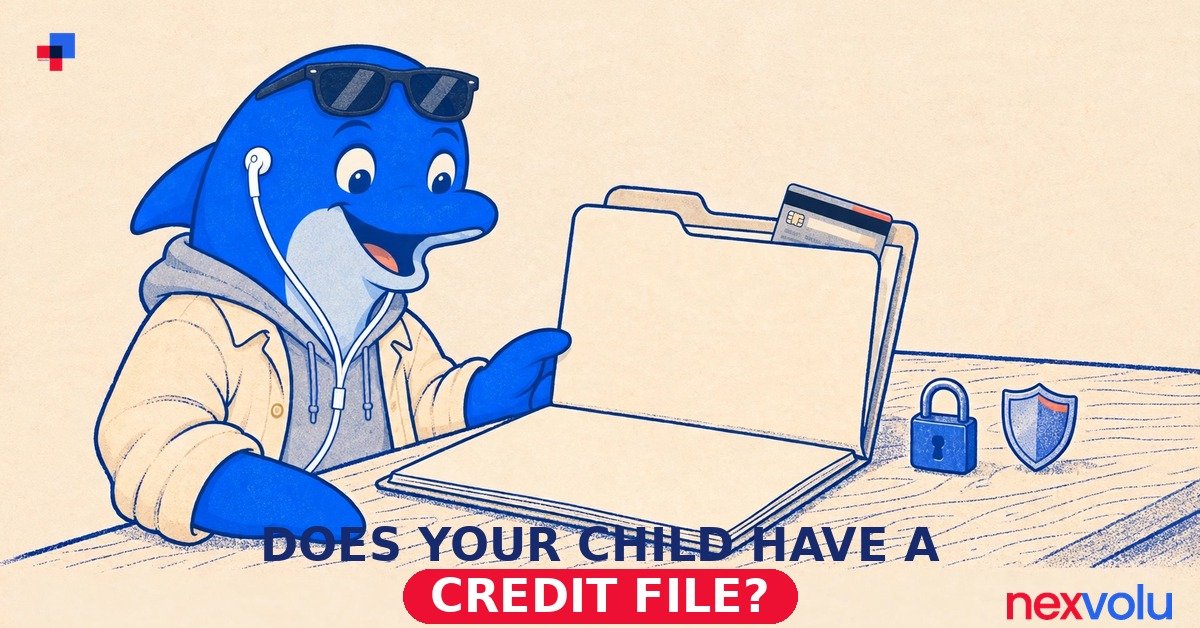
Most children have no credit file, and that is normal. A child under 18 usually has no credit history. The problem starts when someone uses your child’s Social Security number to open accounts, and the file can stay hidden for years, so it pays to freeze child’s credit early.
The fix is simple and free. First, ask each of the three credit bureaus to search for your child’s Social Security number. Then, if your child is under 16, you can freeze child’s credit for free at Equifax, Experian and TransUnion. A freeze blocks new accounts until you ask for it to be removed.
This guide covers the check, the freeze, and what the bureau’s reply letter means. The bureaus do not all say the same thing. Facts were checked against the FTC’s child identity theft page and the bureaus’ pages on 11 November 2026. Forms and addresses change, so check each bureau’s current instructions first.
How Child Identity Theft Happens
Child identity theft happens when someone uses a child’s name, date of birth, or Social Security number to get services or commit fraud. The FTC lists the usual results: benefits, a bank or credit card account, a loan, a utility service, or a rented home. The Social Security number alone is enough.
Nobody checks a child’s credit, so a stolen number can be used quietly for years, often coming to light only when the child grows up and applies for something in their own name. That is why the check matters as much as the freeze: a freeze protects the future, and the check tells you whether damage already exists.
Watch for these FTC warning signs: a bill for an account you never opened; a denial of benefits because someone is using your child’s number; an IRS letter about unpaid taxes for your child; a student loan denied over bad credit; or credit card offers arriving in your child’s name.
One honest limit: a credit freeze stops new credit accounts. It does not stop someone from using your child’s Social Security number for taxes, medical care, benefits, or a job. The freeze is the strongest tool for credit, but the warning signs still matter after you freeze child’s credit.
How to Check If Your Child Has a Credit File
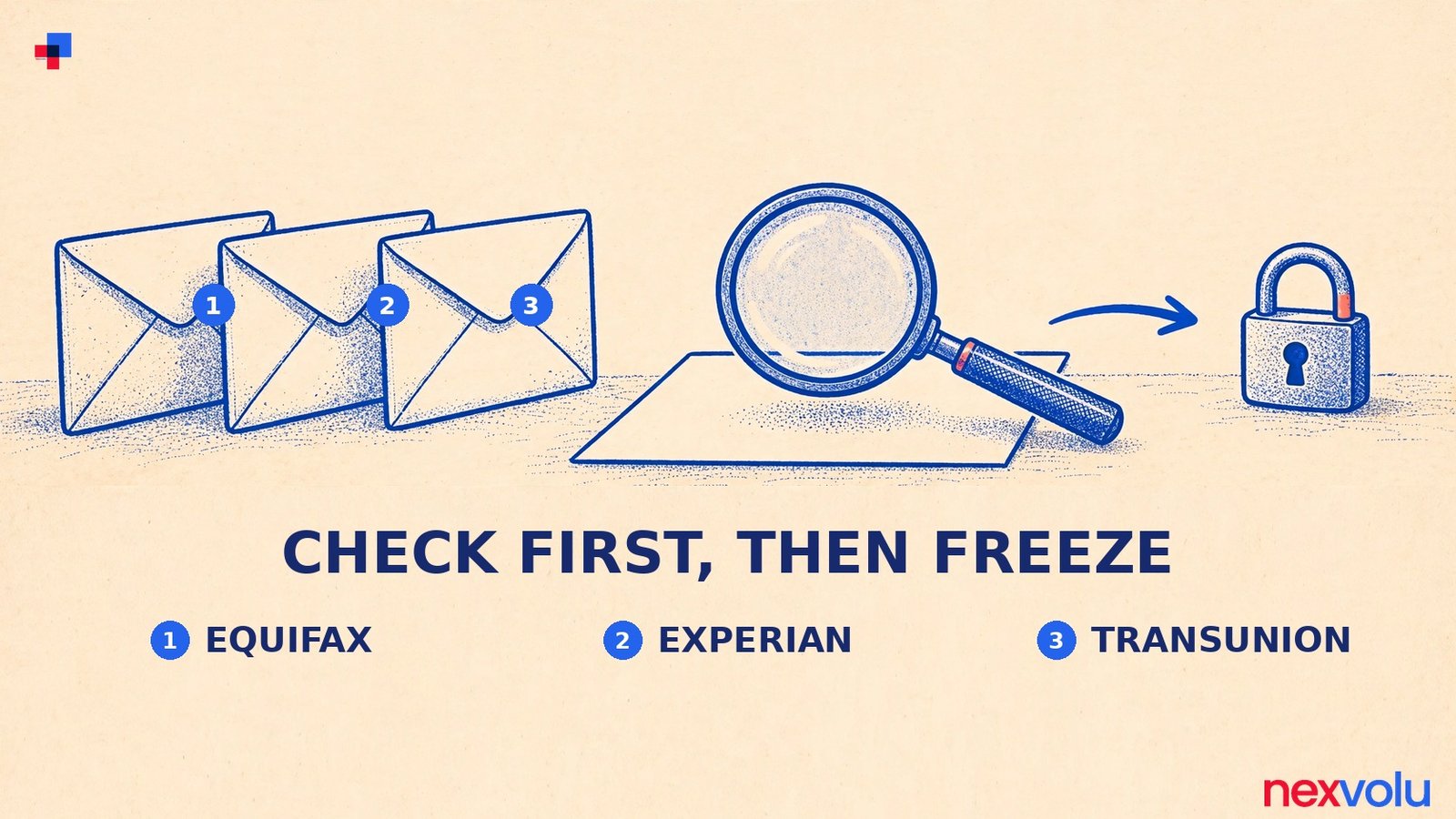
Start with the check, not the freeze. It tells you which of two situations you are in. Most children have no file, which is good news. A small number have a file they should not have, and you need to act before you freeze anything.
The FTC’s method is direct. Contact Equifax, Experian, and TransUnion, and ask each one for a manual search for your child’s Social Security number. You will need copies of your photo ID, proof of address, your child’s birth certificate, and your child’s Social Security card. If you are not the child’s parent, you may need proof of legal guardianship.
You do not have to do the check by mail at every bureau. TransUnion offers a secure online Child Identity Theft Inquiry Form. Enter the child’s name, Social Security number, and date of birth. No documents are needed, and TransUnion states plainly that this check will not create a credit file. If a file is found, it contacts you for documents. Experian’s online form has a similar option.
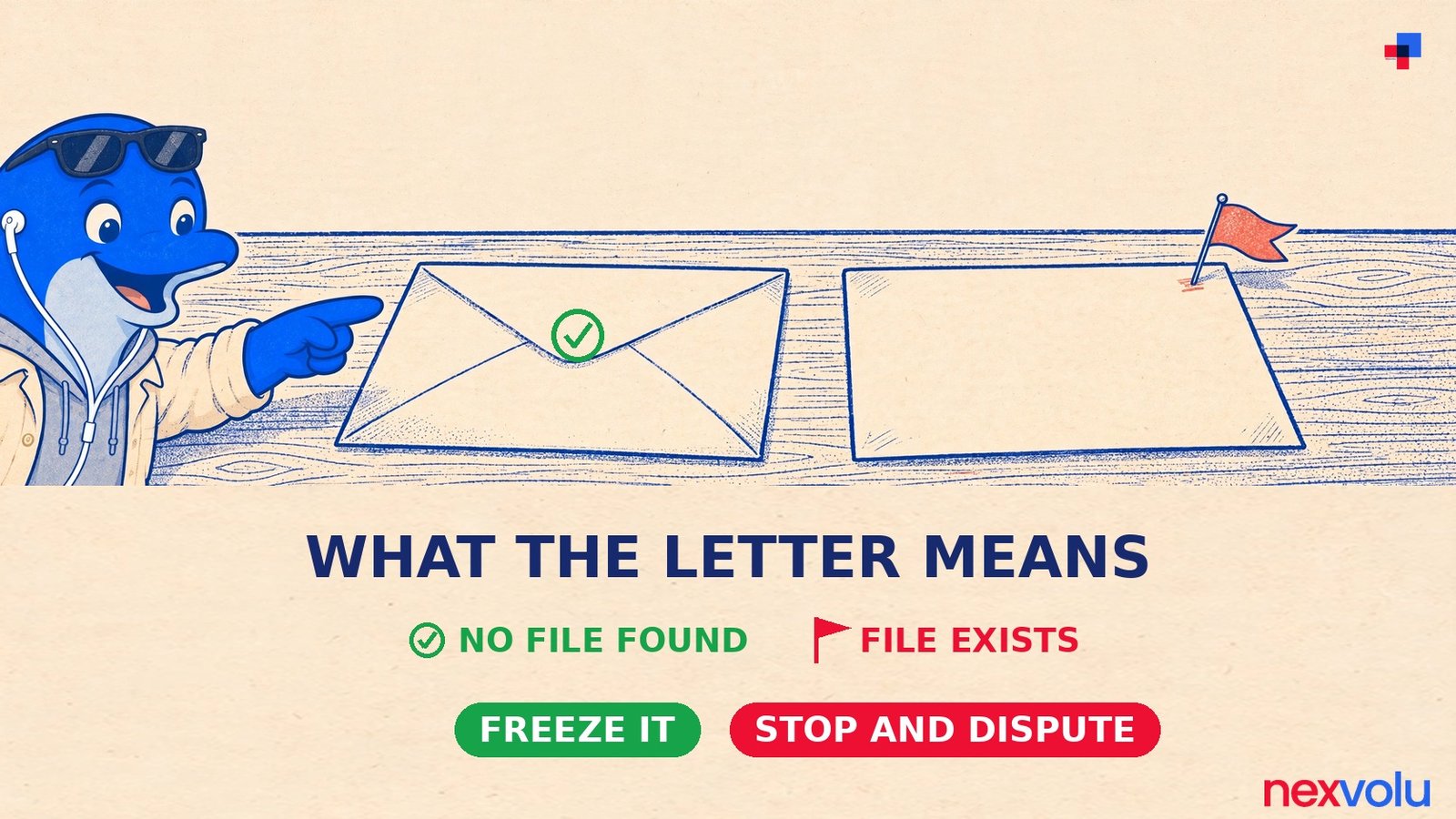
Send copies, never originals, and keep a copy of everything. If you mail anything, use certified mail with a return receipt, so you have proof of when the bureau received it. The law sets its deadlines from that date. Expect one of two answers: “No file found” is normal and good news, while “A file exists” is a red flag that needs attention before you freeze.
How to Freeze Child’s Credit at Equifax, Experian and TransUnion
Federal law makes this free. Under 15 U.S.C. 1681c-1(j), a child under 16 is a “protected consumer”, and a parent or legal guardian can request a free security freeze. Freezes have been free since September 2018 and stay in place until you tell the bureaus to remove them. Minors who are 16 or 17 may request and remove a freeze themselves, according to the FTC.
Contact each bureau separately. A freeze at one bureau does nothing at the other two. To freeze child’s credit properly, send three separate requests, one per bureau, each with the same set of documents.
Documents You Need to Freeze Child’s Credit at All Three Bureaus
- Your driver’s license or other government-issued photo ID
- Proof of your current address, such as a recent utility bill or bank statement
- Your child’s birth certificate
- Your child’s Social Security card
- Proof of guardianship if your name is not on the birth certificate
Send copies, never originals. Include an ID and a separate address document, even if your driver’s license shows your current address.
The per-bureau freeze process
The three bureaus do not run the same process. This table is based on their own pages as checked on 11 November 2026.
| Equifax | Experian | TransUnion | |
|---|---|---|---|
| Age | Under 16 | Under 16 | Under 16 (“15 and below”) |
| Start | Download the form, mail it | Online form, mail or upload | Write a letter, mail it |
| Submit | U.S. Mail only | Mail or upload | Mail only |
| Address | P.O. Box 105788, Atlanta, GA 30348 | P.O. Box 9554, Allen, TX 75013 | P.O. Box 380, Woodlyn, PA 19094 |
| No file? | Creates a file, then freezes it | Lets you check first | Check creates no file |
Equifax
Download the Minor Freeze Request Form from Equifax’s website. It asks for your details and the child’s, proof of identity and guardianship, and copies of the minor’s Social Security card and birth certificate. Send it by U.S. Mail to P.O. Box 105788, Atlanta, GA 30348. Note the contradiction: Experian’s guide says a minor freeze is “also possible” online at Equifax, but Equifax’s own form says to mail it. Treat Equifax as mail only.
Experian
Experian is the most flexible. Its Child Identity Theft Services center has one online form that covers checking a minor’s report, a fraud alert, and a freeze. Fill it in and mail it with your document copies to P.O. Box 9554, Allen, TX 75013, or upload them through Experian’s upload page. A minor aged 14 or older can make the request themselves. See Experian’s own guide for the current form and addresses.
TransUnion
TransUnion is the strictest. There is no form for the freeze itself. You write a letter requesting a “Protected Consumer Freeze” with your name, date of birth, and Social Security number, plus your child’s, with copies of your ID, proof of address, the child’s birth certificate and Social Security card, and proof of your authority if needed. Mail it to P.O. Box 380, Woodlyn, PA 19094. Freezes can only be made by mail. Use its online inquiry form first if you only want to check. The check is free, needs no documents, and does not create a file.
What the Bureaus Disagree About on Freeze Child’s Credit
Three disagreements are real, and you should know about them before you mail anything.
First, online versus mail. Some guides say all three bureaus require mail, but that is no longer quite true. Experian accepts uploads. Equifax lets you get the form online but wants it mailed. TransUnion is mail only.
Second, the age wording. Federal law and the FTC say “under 16”. Experian’s page describes TransUnion’s rule as “children aged 15 and below”. In practice these mean the same thing. But if your child is 15, do not wait. Send the TransUnion letter now.
Third, what happens when no file exists. Equifax creates a credit file and then freezes it. TransUnion creates a restricted record solely to freeze it. Experian lets you check first and then decide. None of these is wrong. They are three ways of describing the same result: after your request, a protected record exists and it is frozen. The TransUnion check alone creates no file, so checking first costs you nothing.
The law sets the deadlines. A bureau must place a mailed freeze within three business days of receiving your complete request, and send written confirmation within five business days. If a bureau asks for a missing document, send it promptly. An incomplete packet does not start the clock.
What the Reply Letter Means
Every bureau replies in writing. Keep each letter. The confirmation letter proves the freeze is in place, and it usually includes a PIN or confirmation code for your child’s file. You will need that code, or the same identity documents, to lift or remove the freeze.
Here is what the common replies mean.
| What the letter says | What it means | What to do |
|---|---|---|
| No record found | Normal, good news. | The bureau will create a protected record and freeze it. |
| A protected record was created and frozen | The freeze is in place. | File the letter and PIN somewhere safe. |
| A credit file exists, no fraud | A file was created at some point, for example if your child was added as an authorised user on a card. | Ask for a copy and read every entry. If all of it is legitimate, proceed with the freeze. |
| A credit file exists, with accounts you do not recognise | A red flag. | Stop. Follow the fraud steps in the next section. |
| We need more documents | Your packet was incomplete. | Send the missing document promptly. |
If the bureaus disagree, trust the most serious answer. Two “no file found” letters and one “file exists” letter still means your child has a file. A freeze at one bureau does not fix a fraudulent account at another.
What to Do If a File Exists With Fraud in It
If a bureau finds a file with accounts you do not recognise, do not just freeze it and move on. A freeze stops new accounts. It does not remove the ones already opened. Follow the FTC’s order of steps.
First, report and close the fraudulent accounts. Contact the fraud department of each company involved. Tell them someone opened an account using your child’s information and ask them to close it. Ask for written confirmation that your child is not responsible.
Second, contact the three credit bureaus. Tell each bureau that someone opened an account using your child’s information and ask them to remove the fraudulent accounts. You have the right to dispute any entry that is not your child’s.
Third, freeze child’s credit at all three bureaus using the process in this guide. The freeze stops the thief from opening more accounts while you clean up the old ones.
Fourth, report the theft to the FTC at IdentityTheft.gov. Include the accounts, the dates, the companies involved, and copies of the letters you received. The FTC’s report gives you a recovery plan and a paper trail.
Fifth, file a police report if a company or the FTC asks for one. Bring your FTC report, your child’s birth certificate, and your ID.
This takes time, and that is normal. Disputes can take weeks. Keep a folder with every letter, confirmation number, and date. Note the name of every person you speak to and the date of the call. If a company refuses to close an account, ask for the refusal in writing.
When to Unfreeze
A freeze on a minor’s credit does not expire on its own. It stays in place until someone with authority asks for it to be lifted or removed. It does not end when your child turns 16 or 18.
Before your child turns 16, you can lift or remove the freeze at any time by sending a written request with the same identity and authority documents to each bureau. After 16, your child can request and remove the freeze themselves, according to the FTC. At 18, your child takes full control and can manage the freeze online.
Most children do not need their credit unfrozen before 18. The usual reason is a genuine application, such as a student loan. Lift the freeze only for as long as the application needs, then put it back. Keep the confirmation letters and PINs. Do not remove the freeze just because your child turns 18. If there is no reason to open credit yet, leaving it in place costs nothing.
How to Protect Your Child Going Forward After You Freeze Child’s Credit
A freeze is the strongest single step, but it works best as part of a few simple habits.
Ask questions before you give anyone your child’s Social Security number. The FTC suggests four: why do you need it, how will you protect it, can you use a different identifier, and can you use just the last four digits. Schools, doctors, and sports leagues ask for the number out of habit.
Keep documents with personal information in a safe place, such as a locked file cabinet. Shred medical bills, school forms, and old paperwork before you throw them away. Use your own contact details when your child signs up for an online service. Even trustworthy companies have data breaches, and your email lets you spot trouble first.
Teach your child the basics early. Explain that calls, texts, and emails do not always come from where they say they do, and that they should check with you before replying to anything that asks for personal information. Tell them it is fine to hang up on an adult caller who asks for sensitive data.
Finally, keep the freeze paperwork safe and check in once a year. A quick review of the warning signs takes five minutes and catches problems early. After you freeze child’s credit, the protection works quietly in the background.
Frequently Asked Questions
How long does it take to freeze child’s credit?
By law, a bureau must place a mailed freeze within three business days of receiving your complete request, and send written confirmation within five business days. Mail time is extra, so expect about two weeks from posting the letters to holding all three confirmations. If a bureau asks for a missing document, the clock restarts.
Does freezing my child’s credit affect their credit score?
No. Most children have no credit score, because they have no credit history. A freeze blocks new accounts from being opened. It does not create a credit history, and it does not lower a score your child does not yet have. When your child applies for credit, the freeze is lifted.
Can I Freeze Child’s Credit Online?
Partly. Experian accepts its minor form and documents through its upload page, as well as by mail. Equifax lets you download the form online, but its own form says to mail it. TransUnion requires a mailed letter for the freeze itself, though its online form can check whether a file exists. Check each bureau’s current page before you start.
Does a credit freeze stop all identity theft?
No. A freeze stops lenders from opening new credit accounts in your child’s name. It does not stop someone from using your child’s Social Security number to file taxes, claim benefits, get medical care, or apply for a job. That is why you should still watch for the warning signs, even after the freeze is in place.
The Bottom Line: Check First, Then Freeze Child’s Credit
Check first, then freeze. Ask all three bureaus to search for your child’s Social Security number. If there is no file, that is good news, and the freeze still makes sense. If there is a file, read it before you freeze, and clean up anything fraudulent with the companies, the bureaus, and the FTC. To freeze child’s credit, send a separate request to Equifax, Experian, and TransUnion. The whole process is free, and the protection stays in place until you or your child decides to remove it.
This article is general information, not legal or financial advice. Bureau forms, addresses, and rules change, so check each bureau’s current instructions before you mail anything.
Related reading
- Where Should You Store 2FA Backup Codes?
- Lost Your Authenticator App? How to Recover Your Accounts
- How to Spot a Phishing Email: 7 Checks Before You Click
- Are Password Managers Safe? The Honest Threat Model